The Heart of the Matter
Mastering the Art of Authentic Connection in Mentorship

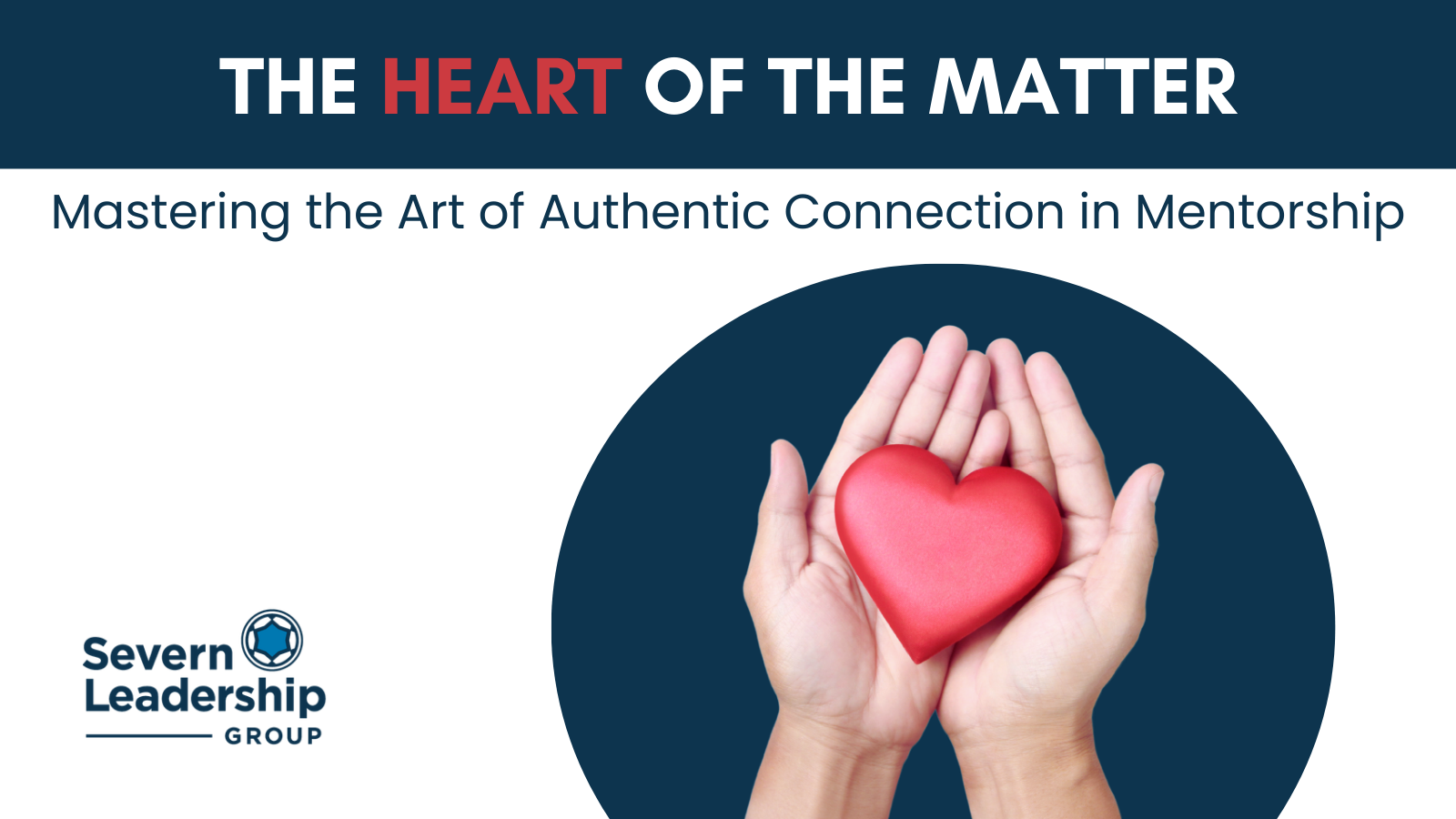
Serving as a mentor with the Severn Leadership Group (SLG) is far more than a professional commitment. It is a profound privilege—an invitation to walk alongside an emerging leader and help them navigate the complexities of character, competence, and calling. At the core of this transformative journey lies a single, vital element: authentic connection.
Without a genuine bond built on trust, even the most seasoned advice can fall flat. To truly empower our Fellows to become the best versions of themselves, we must first master the strategies that turn a formal relationship into a life-changing partnership.
Mentorship: A Privilege, Not a Project
The first step in fostering an authentic connection is cultivating our mindset regarding the role itself. Mentorship is a gift—one that is equally valuable to both the Mentor and the Fellow. When a Fellow looks to you for guidance, they aren't just looking for technical skills; they are offering a powerful vote of confidence in your character and your leadership.
To honor that trust, mentorship must be a priority, not an afterthought.
- Showing Up with Purpose: Authentic connection starts with consistency. This means carving out dedicated time that is free from distractions. When we treat our meetings as important commitments, we signal to the Fellow that their growth is a high priority.
- The Power of Reliability: Following through on promises—whether it’s sending a promised resource or simply showing up on time—builds the bedrock of respect.
- Investing the Heart: A great mentor is more than just experienced; they are present. By genuinely caring about your Fellow's holistic development, you create a foundation where they feel seen and valued as a person, not just a "mentee."
Creating a Sanctuary: Establishing Psychological Safety
Before a Fellow can grow, they must feel safe enough to be honest. The SLG experience is designed to challenge leaders, but that challenge must be balanced with high levels of psychological safety.
Psychological safety is the shared belief that the relationship is a safe space for interpersonal risk-taking. For a Fellow, this means feeling safe sharing their loftiest goals, their deepest fears, and their most nagging uncertainties without fear of judgment.
Techniques for Building Safety:
- Mindful Body Language: Your words say one thing, but your body often says another. In your sessions, strive for an open, relaxed posture. Maintain attentive eye contact and avoid checking your phone or watch. These non-verbal cues signal: "I am here, I am listening, and you have my full attention."
- Intentional Tone: Be mindful of your responses. Avoid trite or dismissive "clichés." Instead, aim for responses that are thoughtful, supportive, and curious. Use phrases like, "Tell me more about that," or "I can see why that would be a challenge."
- Active, Non-judgmental Listening: Cultivate an environment where vulnerabilities won't be used against them. When a Fellow shares a failure, resist the urge to jump immediately into "fix-it" mode. Instead, acknowledge the courage it took to share and validate their experience.
The Backbone of Trust: Confidentiality and Mutual Vulnerability
Confidentiality is the silent engine of a successful mentoring relationship. When a Fellow shares personal frustrations or sensitive career aspirations, they are handing you something fragile. Guard this trust fiercely. However, trust is not a one-way street. To achieve a truly authentic connection, you must be willing to be vulnerable yourself. Mentorship is not about maintaining a facade of perfection. In fact, "perfect" mentors are often the least helpful because they feel unattainable. By sharing your own professional frustrations, past failures, and current "lessons learned," you humanize yourself. This vulnerability invites the Fellow to do the same, deepening the bond and creating a more level playing field for growth.
The Power of Encouragement: Letting Your Fellow Know You Support Them
In the high-pressure world of leadership, many Fellows are their own harshest critics. One of the most vital roles you play is that of the Chief Encourager. Authentic connection is strengthened every time you let your Fellow know you are in their corner. This isn't about empty flattery; it's about evidence-based encouragement.
- Highlight Their Strengths: Often, we are blind to our own "superpowers." Use your perspective to point out the specific virtues you see them exhibiting—be it their integrity in a tough situation or their excellence in a project.
- Be a Safety Net: Let them know that while they are out there taking risks and leading with courage, you are here to support them if they stumble. Knowing they have a champion who believes in them can be the difference between a Fellow playing it safe and a Fellow leading with boldness.
- Celebrate the Small Wins: Growth is often incremental. Acknowledge the progress they are making, even if the final goal is still far off.
Conclusion: Investing in What Lasts
Connecting and investing in others is one of the most important contributions a leader can make. By applying these foundational strategies—treating the role as a privilege, establishing psychological safety, and leading with vulnerability—you aren't just giving advice; you are building a bridge.
Through this bridge of authentic connection, you empower your SLG Fellow to not only reach their professional goals but to navigate life with the character and courage that defines a truly great leader.
What is one thing you can do this week to show your Fellow that you are "present and invested" in their journey? Perhaps it’s a quick text of encouragement or a deeper dive into a shared story of failure during your next session. Whatever it is, remember: the connection is the catalyst for the growth.
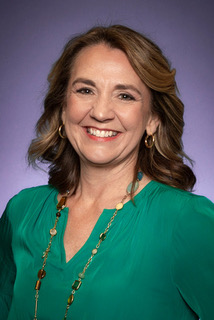
Kristen Whitley is a self-employed coach, speaker, and trainer focused on helping individuals and groups achieve greater productivity, interpersonal health and overall life satisfaction. Kristen received a Bachelor of Science degree from the US Naval Academy, and a Master’s of Education Degree in Teaching and Learning from Liberty University. She is a certified Speaker, Trainer, and Coach with the John Maxwell Leadership Team, and has served as an SLG mentor since 2023.